
Top-Rated Equipment for Demolition and Removal Service Success
Equip your team with the most trusted tools and machinery to ensure smooth and efficient demolition projects.
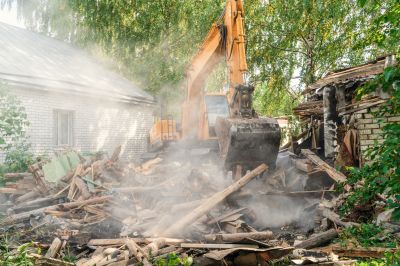 Demolition and removal services require a diverse array of tools and equipment designed to handle various materials and structures efficiently. From small-scale projects like removing drywall or cabinets to larger tasks such as tearing down walls or demolishing entire structures, having the right products ensures safety and effectiveness. These products are built to withstand heavy use, provide safety features, and facilitate efficient work processes. Selecting appropriate tools can significantly impact the speed, safety, and quality of a demolition or removal project.
Top Overall Option
Heavy-Duty Demolition Hammer
A versatile demolition hammer designed to handle a wide range of breaking and chiseling tasks. Its robust construction and adjustable settings make it suitable for various materials, providing controlled power for different project requirements. Ergonomic features enhance user comfort during extended use, and safety features help prevent accidents. This tool is often favored by professionals for its reliability and performance across diverse demolition tasks.
Types of Products For Demolition And Removal Service
Demolition Hammers
Power tools used for breaking concrete, masonry, and other hard materials, suitable for both light and heavy-duty tasks.
Reciprocating Saws
Versatile saws capable of cutting through wood, metal, and drywall, ideal for demolition and removal work.
Pry Bars
Manual tools used for prying apart materials, removing nails, and controlled demolition.
Sledgehammers
Heavy manual hammers used for breaking through concrete, brick, and other tough surfaces.
Dust Masks and Respirators
Protective gear essential for safeguarding against dust, debris, and airborne particles during demolition.
Safety Helmets
Head protection gear designed to prevent injuries from falling debris or accidental impacts.
Debris Chutes
Equipment that facilitates debris removal by directing waste from upper levels to ground level, improving site safety and efficiency.
Heavy-Duty Dumpsters
Large containers for collecting and transporting demolition debris, helping to keep the worksite organized.
Wheelbarrows and Carts
Manual transport tools for moving debris and materials around the site efficiently.
Concrete Saws
Specialized saws for cutting through concrete and masonry with precision, often used before breaking or removal.
Jackhammers
Power tools used for breaking up hard surfaces like concrete and asphalt, suitable for larger demolition projects.
Lifting and Hoisting Equipment
Tools like cranes and hoists used to lift heavy materials safely during structural demolition.
Protective Gloves
Hand protection to prevent injuries from sharp objects, debris, and vibrations during demolition activities.
Utility Knives
Sharp blades used for cutting drywall, insulation, and other materials during removal.
Vacuum Systems
Industrial vacuums designed to clean up dust and debris efficiently, maintaining a safe work environment.
Popular Choices
Portable saws favored for their ease of use and mobility across different work areas.
Commonly used for heavy-duty breaking tasks, appreciated for their power and durability.
Eye protection essential for safeguarding against flying debris and dust during demolition.
Durable gloves that provide grip and protection during manual demolition activities.
Devices that help manage dust during cutting and grinding operations, improving site cleanliness.
Versatile tools used for prying apart materials, removing nails, and controlled demolition tasks.
Essential for transporting debris and materials around the worksite efficiently.
Power tools designed for precise cuts in concrete and masonry materials.
Large, durable bags for collecting and disposing of debris on-site.
Lighting solutions that improve visibility in poorly lit demolition sites.
Floor mats designed to reduce vibrations and fatigue during prolonged use of power tools.
Heavy-duty extension cords essential for powering tools across large work areas.
Fall protection gear for working at heights or on unstable surfaces.
Sharp blades used for cutting drywall, insulation, and other materials during removal.
Reliable power sources for tools and lighting in remote or outdoor demolition sites.
The market offers numerous options tailored for different needs, whether for professional contractors or DIY enthusiasts. Power tools like demolition hammers and reciprocating saws are essential for breaking through tough materials, while manual tools such as pry bars and sledgehammers are invaluable for controlled removal and demolition. Specialized equipment like debris chutes and heavy-duty dumpsters help manage waste and debris, keeping the worksite organized and safe. Proper protective gear, including gloves, helmets, and eye protection, also plays a critical role in ensuring safety during demolition activities.
Choosing the right products involves considering the scope of the project, the types of materials involved, and safety requirements. Durable construction, ease of use, and compatibility with existing tools are important factors. Investing in quality products can reduce downtime and improve overall project outcomes, making the demolition process smoother and more controlled. Whether tackling a small renovation or a large demolition, selecting suitable products tailored to your specific needs is key to achieving efficient and safe results.
Key Buying Considerations
- Project scope and scale to determine the necessary power and size of tools.
- Material types involved to select appropriate cutting and breaking equipment.
- Safety features such as vibration control, ergonomic design, and protective gear compatibility.
- Ease of use and weight for manual tools to ensure user comfort and control.
- Durability and build quality to withstand frequent or heavy-duty use.
- Power source preferences, including corded versus cordless options, based on mobility needs.
- Availability of replacement parts and accessories for long-term maintenance.
- Compatibility with existing tools or accessories to streamline workflow.
- Worksite conditions, including space constraints and accessibility, influencing equipment choice.
- Budget considerations balanced with quality and safety features.
- Noise levels of power tools, especially for indoor or noise-sensitive environments.
- Storage and transportation options for larger equipment or multiple tools.
- Environmental conditions such as moisture or dust that may impact equipment performance.
- Availability of training or user manuals for unfamiliar or complex tools.
- Compliance with safety standards and regulations relevant to the demolition activity.